Long Reads
In-depth investigation into the details that separate a mediocre restaurant from one that stays deliberately excellent under pressure.
Good Once, or Good Every Time
These are pieces for reading at length, built around a single narrow question: what separates a pizza place that's good once from one that's good every time? Why do some restaurants maintain standards through staff turnover while others collapse when one key person leaves? How does a neighborhood spot stay relevant for twenty years?
The difference between consistent and inconsistent is rarely about talent or ambition. It's about systems: documented recipes, temperature logs, inventory rotation, a clear hierarchy of decisions. The owner who shows you the spreadsheet hasn't given up on craft—they've systematized it.
These stories require room to breathe. We spend time in the kitchen, test dishes across different days, interview staff at different levels. We look at the business model underneath the food.
Fermentation, Heat and Hydration by Style
| Pizza Style | Fermentation Window | Oven Temperature | Typical Crust Hydration |
|---|---|---|---|
| Neapolitan | 48–72 hours | 900°F (480°C) | 65–70% |
| New York | 24–48 hours | 700–750°F (370–400°C) | 55–60% |
| Detroit/Sicilian | 16–24 hours | 500–550°F (260–290°C) | 60–65% |
| Grandma/Tavern | 12–18 hours | 450–500°F (230–260°C) | 55–62% |
| Hydration is the ratio of water to flour by weight. Higher hydration produces an airier crumb; lower hydration is denser. Fermentation time, temperature, and hydration are interdependent—change one and the others must adjust to hit the target crust texture. | |||
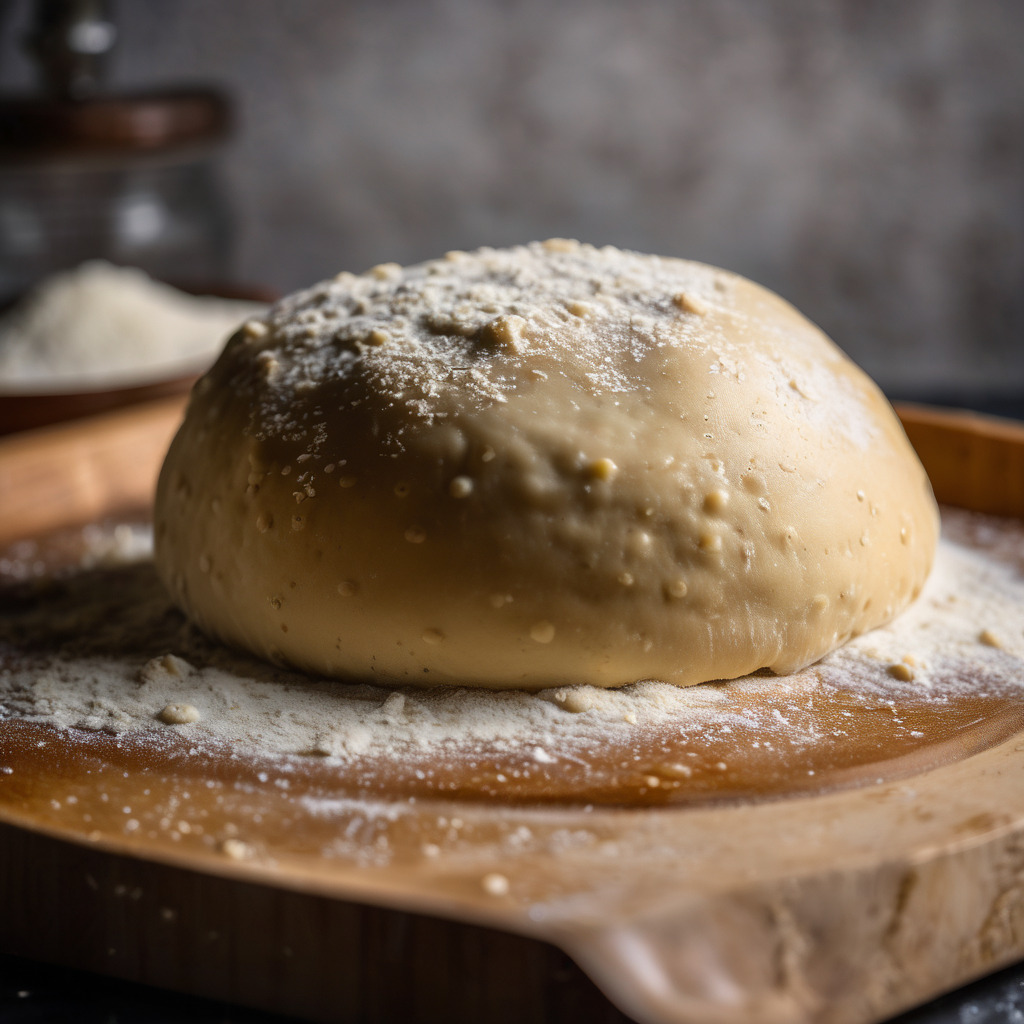
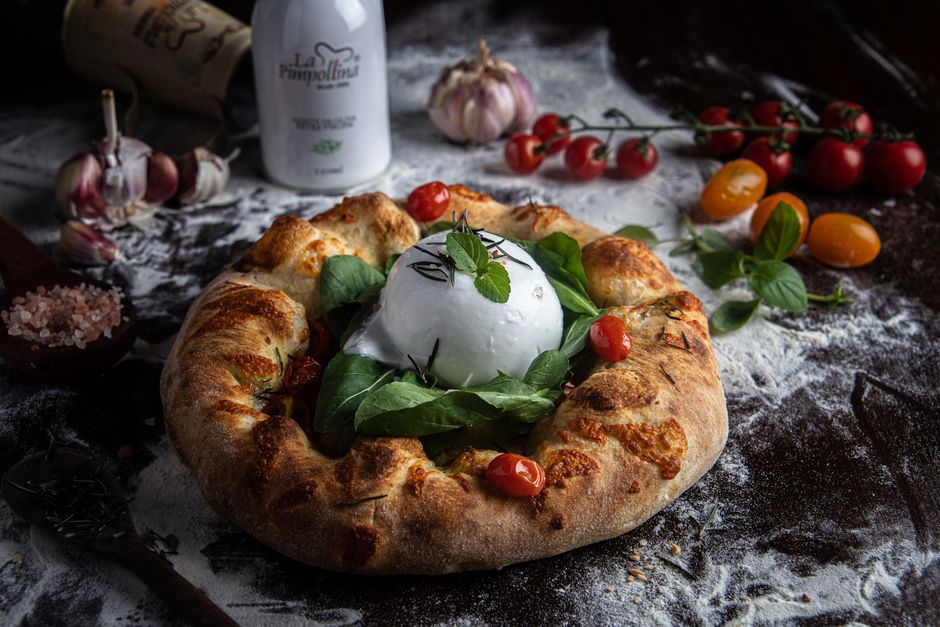
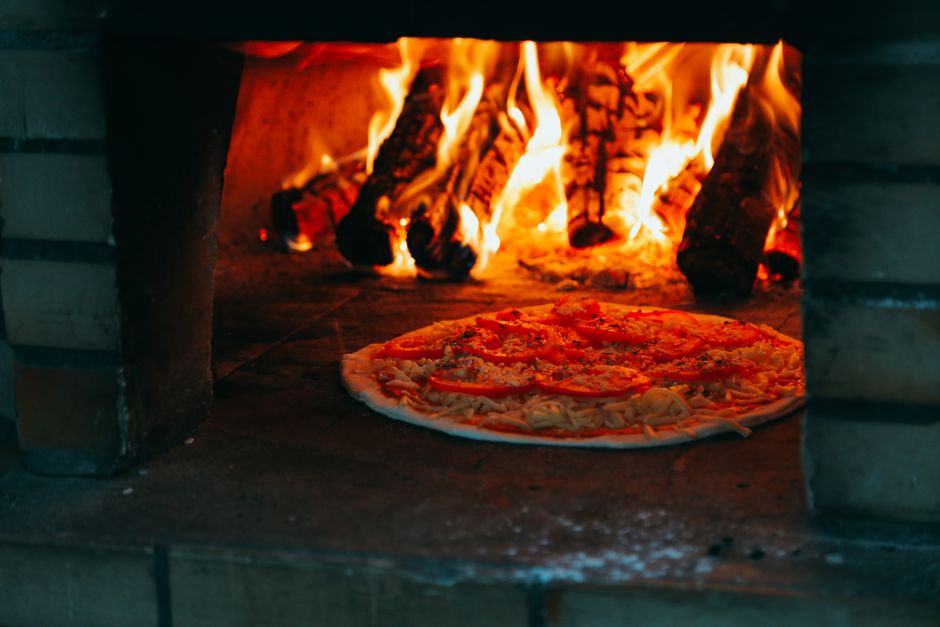
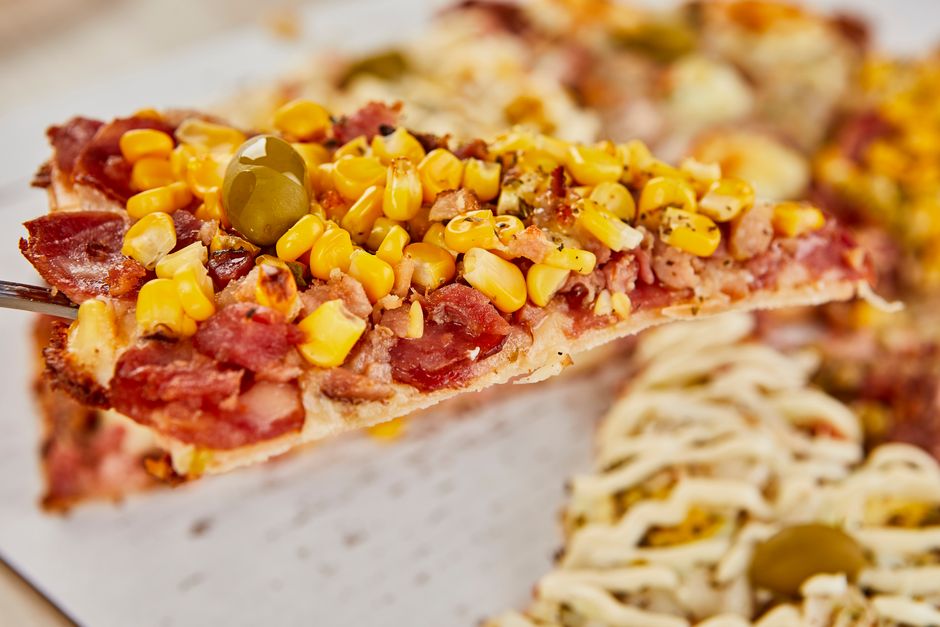
Four Measures Every Pizzaiolo Watches
48 Hours
The minimum fermentation time for most pizza styles worth eating. Cold fermentation (40–50°F) extends this to 48–72 hours, developing flavor complexity that quick-rise doughs simply cannot achieve.
2–3%
The typical salt in a professional dough, measured against the weight of the flour. This range is narrow and crucial—the difference between a dull crust and one with real character, and the difference between acceptable and impossible to eat.
Bench Rest
The 15–30 minute period after shaping and before the oven. This is when the dough relaxes and the outer surface begins to set, creating the texture difference between dense and properly aerated.
90 Seconds
The typical bake time in a true Neapolitan oven. At 900°F, a dough that's too wet won't set in time; too dry and it's leather. This is why fermentation and hydration must work together.
Watch: a day on the line
Reading about fermentation windows and oven recovery only goes so far. This walkthrough of a single service in one of New York's busiest pizzerias shows the same variables under real time pressure — the part a reference table cannot carry.
Baseline Standards
Every kitchen we cover has to clear the same baseline before flavor even enters the conversation. For the detail on what that baseline actually requires, see ServSafe.
Food safety isn't optional negotiation—it's the foundation. After that baseline is locked, we talk about what distinguishes a restaurant that cares from one that's coasting.