From The Journal: Why Independent Pizzerias Can't Compete on Both Price and Quality
A neighborhood pizzeria faces a choice that chains do not: whether to absorb rising costs or pass them to customers. A national chain can subsidize one location's losses across a thousand others. A two-location family operation cannot. For years we have watched independent kitchens make this calculation differently, and the margin — literally — between these choices is where the best pizza in New England is happening.
The economics have shifted measurably since 2020. As the National Restaurant Association explains, rising staffing and food costs are reshaping what independent kitchens can offer. We have found this especially true when a neighborhood pizza place has to compete on both price and quality at once. They cannot. Not anymore. Understanding why is the work of this entry.
Flour, mozzarella, labor and the $18 pie
Ingredient cost
A premium flour from a traditional miller now costs 40–60% more than commodity flour. A ball of fresh mozzarella costs 30–40% more than it did three years ago. Olive oil has doubled. These are the three anchor costs for every pizza a skilled pizzeria makes.
Labor margin
A pizzaiolo with real skill — someone who can read dough temperature, adjust hydration by feel, and pull a uniform bake from a wood-fired oven — now commands $45,000–$65,000 annually plus benefits. Ten years ago, this role paid $28,000–$35,000. A two-person kitchen that was profitable then would run at a loss now.
The math of a medium pie
Ingredient cost for flour, tomato, mozzarella, basil and oil: $4.50–$6.00. Labor to make, proof and bake it: $3.00–$4.00. Rent, utilities, equipment and overhead amortized per pie: $2.00–$3.50. Total cost before profit: $9.50–$13.50. At $18, a pizzeria makes $4.50–$8.50 per pie. At $22, they make $8.50–$12.50 per pie. The difference is survival.
What chains absorb
A chain buying flour for 500 stores negotiates at commodity scale. A single pizzeria buys at retail. The volume discount alone is 25–35%. Chains can undercut on price because they never actually competed on quality — they competed on convenience and consistency. Independent pizzerias compete on something harder to scale: craft.
A two-location shop that chose quality
The case for the $16 pie
Craft or volume, but not the middle
-
There is no middle ground anymore
The cost structure of independent food service no longer allows a pizzeria to be "pretty good" at a "pretty fair" price. The choice is explicit: craft quality at a price that supports it, or accessible volume at a price that requires simplification.
-
This is not a flaw in pizzerias
It is a shift in what the economy allows. The restaurants that are thriving — craft-focused or volume-focused, either one — have made this choice clearly. The ones that are closing made no choice and tried to occupy the middle ground until they could not.
-
This is actually good for eating
A pizzeria that has committed to quality knows they are selling excellence, not convenience. A pizzeria that has committed to volume knows they are selling accessibility. Either way, they show up as themselves. There are fewer confused restaurants now — fewer places where customers cannot tell what they are paying for.
-
We know which ones to recommend
When a neighborhood pizzeria tells you their dough is three days old and their mozzarella is made three miles away, they are telling you something about their margins. They know them. They have chosen. We wrote about them because we know their choice too.
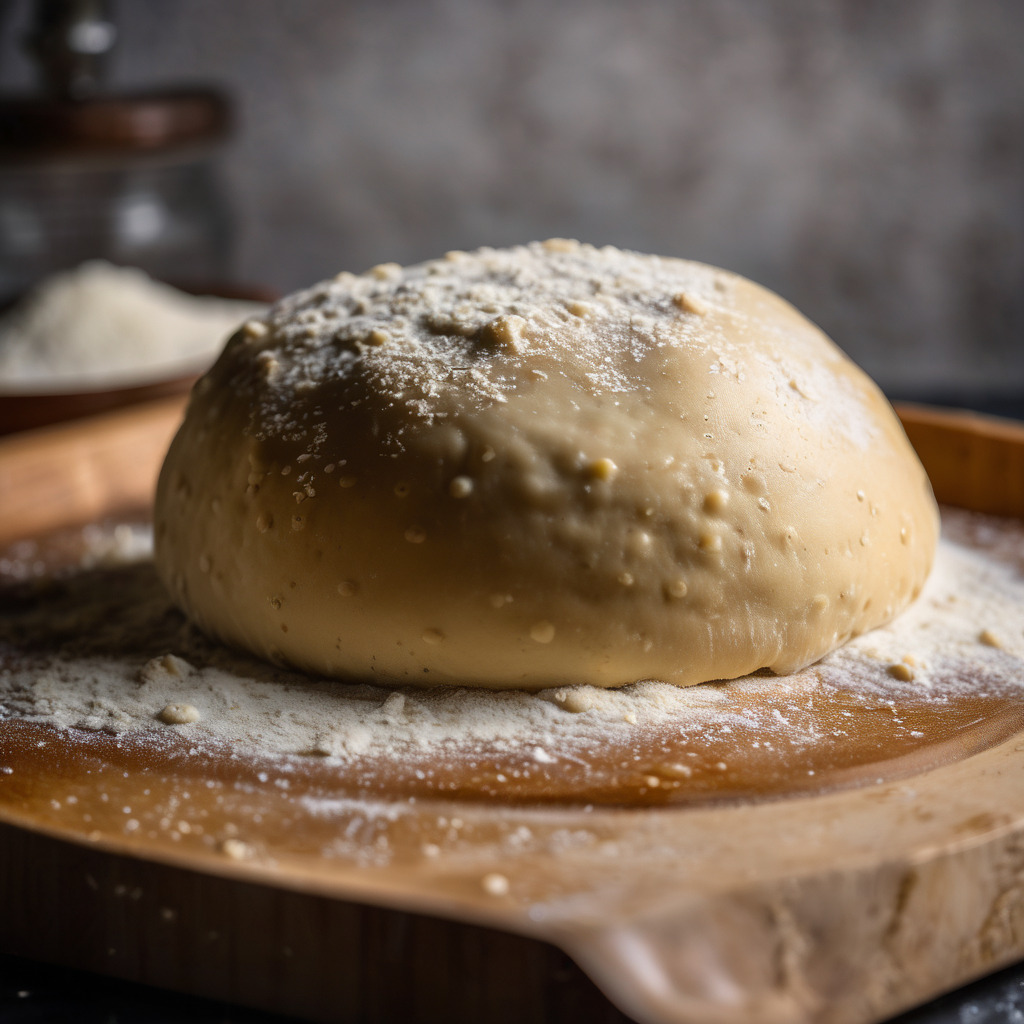
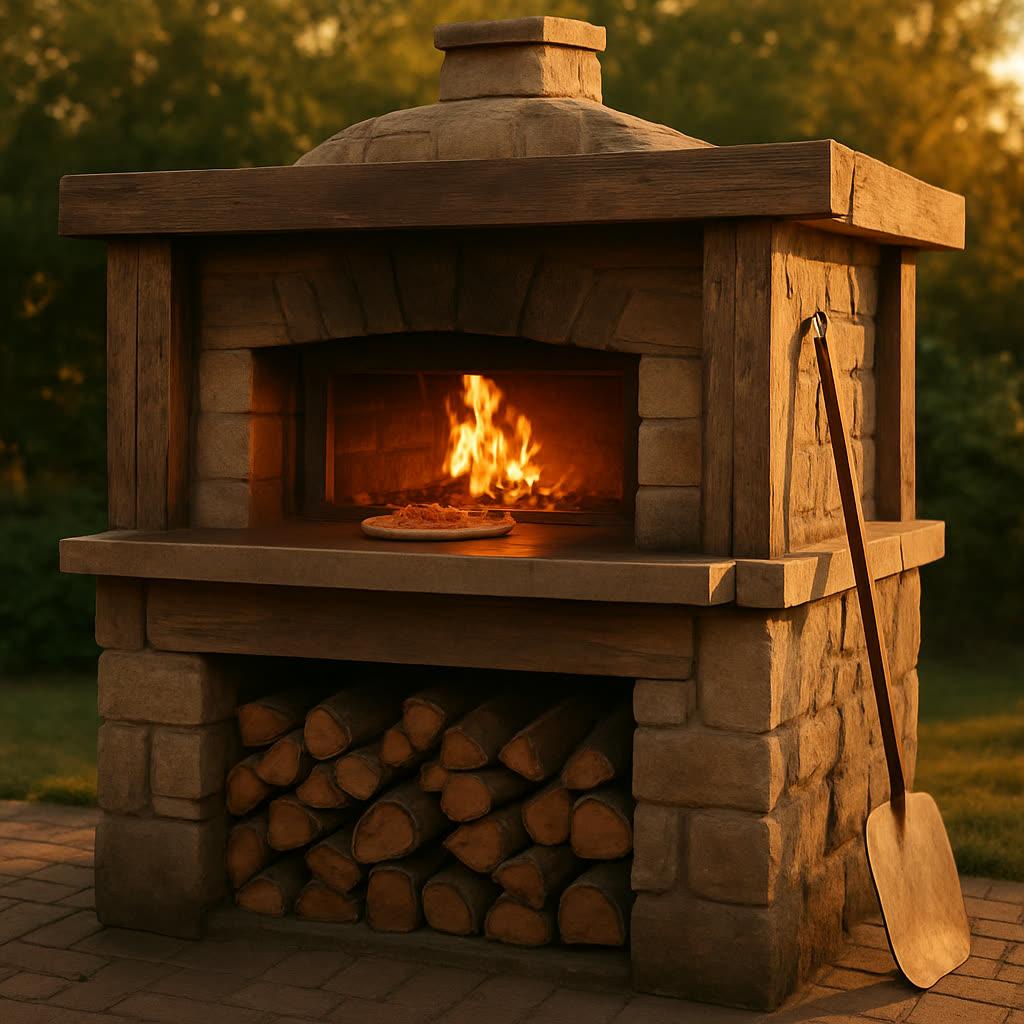
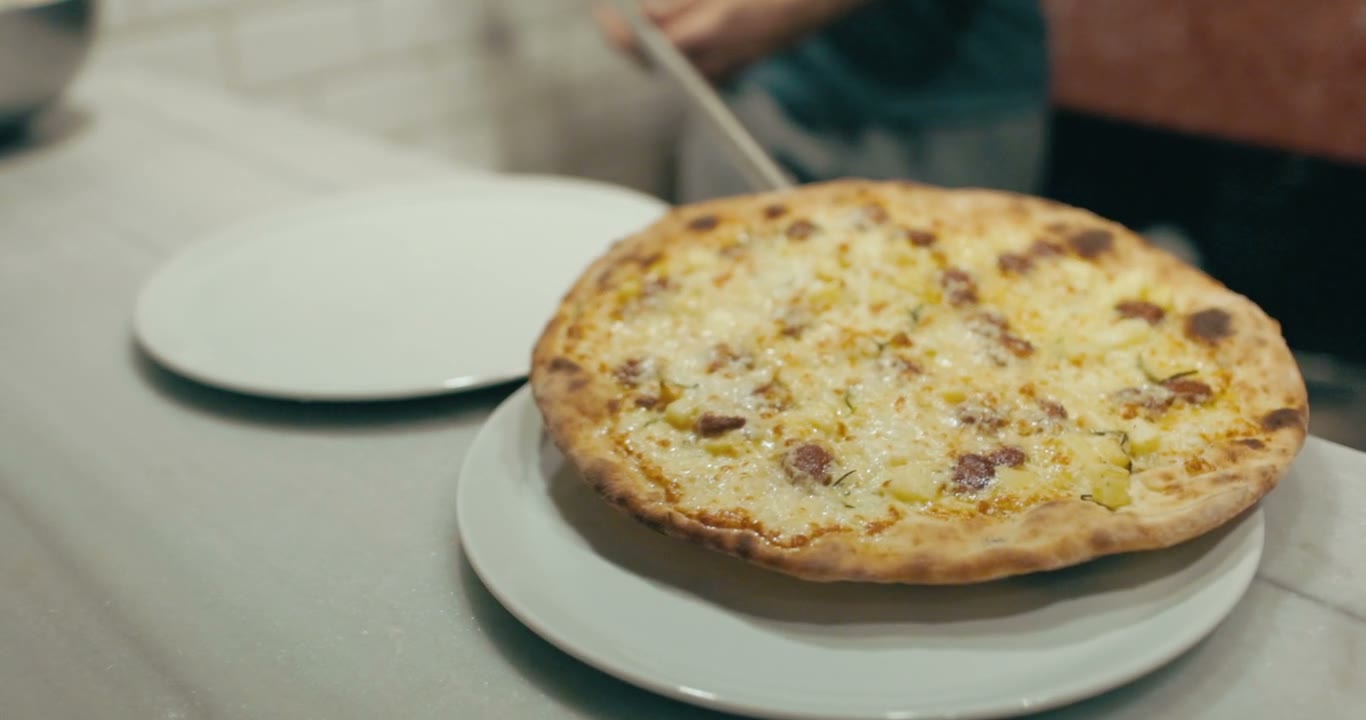
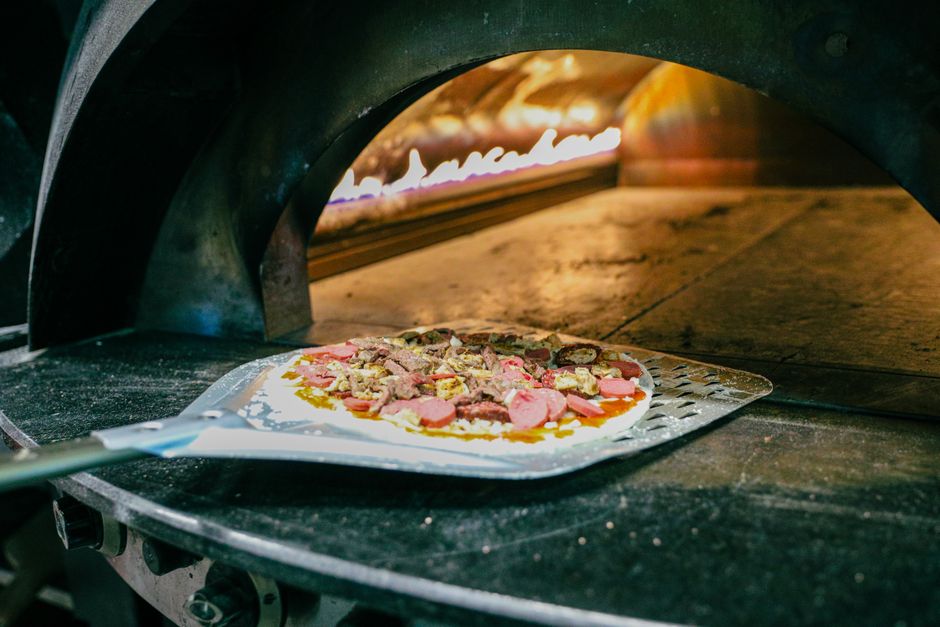
The craft on film
Below is a step-by-step look at the precision involved in traditional Neapolitan pizza work — the technique and attention that sits behind the cost.