Food Industry Insights and Resources

The Mise is an independent publication dedicated to understanding food as business. We examine industry practices, highlight exceptional operators, and share the knowledge that separates competent kitchens from exceptional ones. Everything here starts with a simple question: what separates good from great, and why does it matter?

For anyone serious about food—whether you work in the industry, source for restaurants, or simply want to understand where your pizza comes from—these insights cut through marketing and get to what actually works.
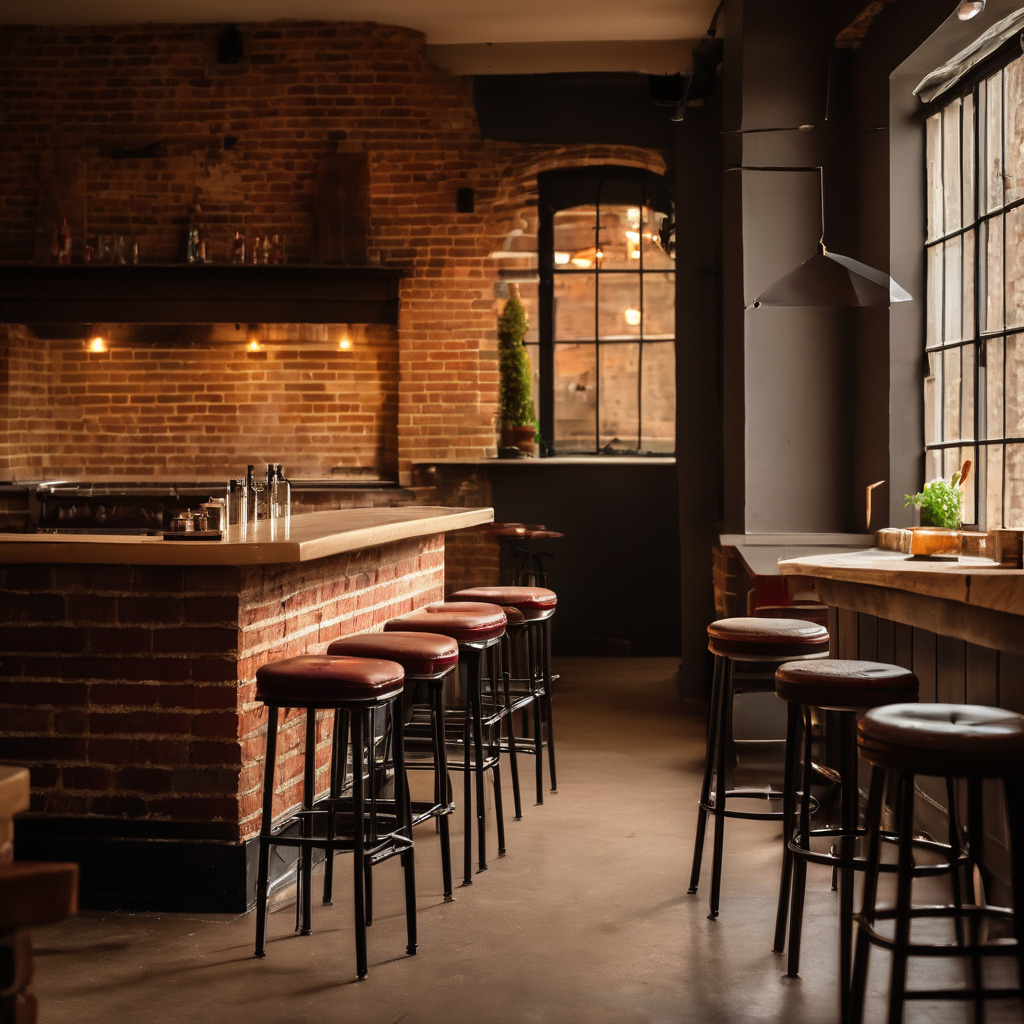
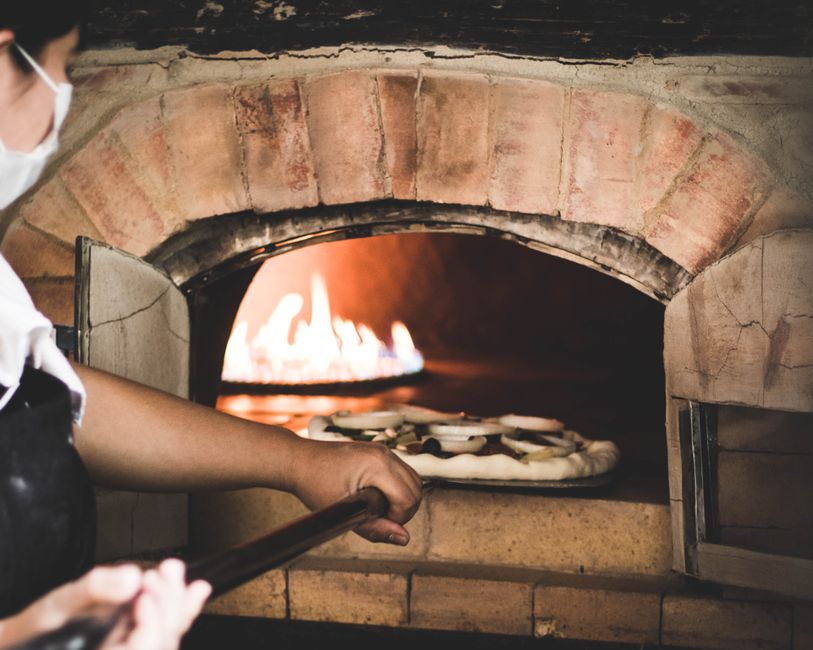
Warm neighborhood pizzeria interior with counter seating and a glimpse of the oven Chef expertly removing freshly baked pizza from a wood-fired oven Fresh mozzarella cheese close-up showcasing quality Italian dairy product Close-up of a plated pizza slice with pepperoni, corn and olives

The fundamentals that separate good pizza from excellent

Fresh dough management
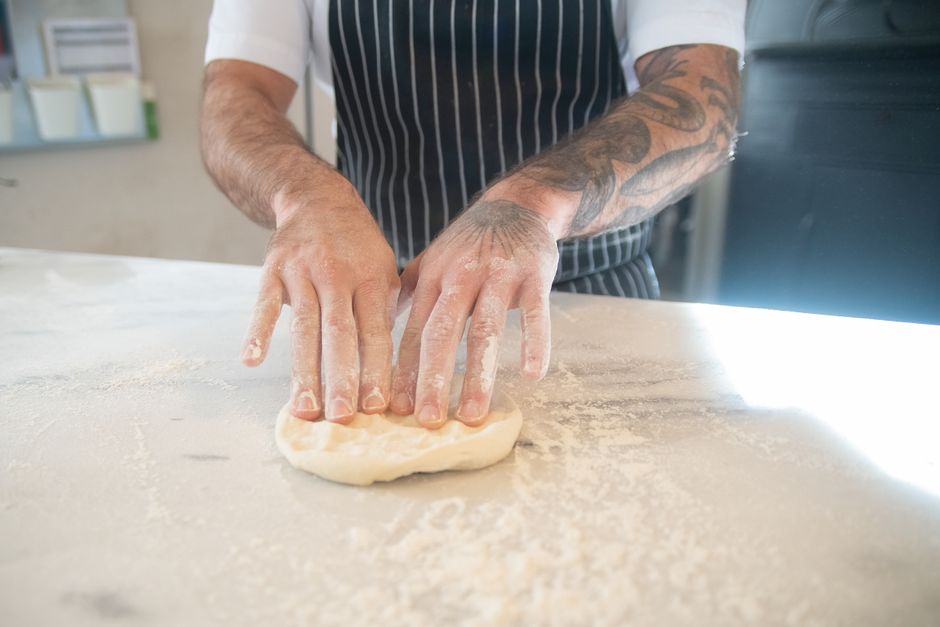
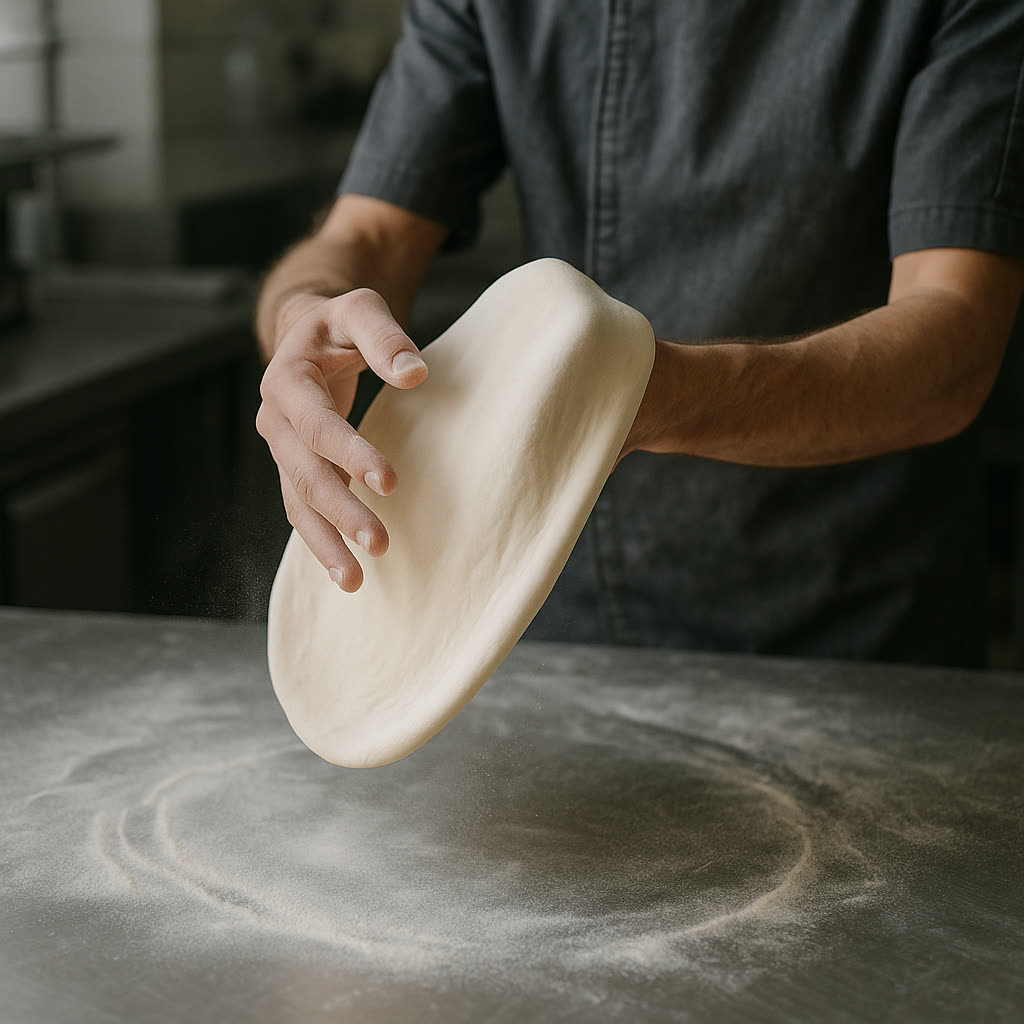
Understanding hydration ratios and fermentation time transforms pizza from edible to memorable. High hydration dough (65–70%) produces an open crumb structure and tender crust; lower hydration (58–62%) yields a denser, chewier result. Cold fermentation over 48 hours develops flavor complexity that same-day dough cannot match. This is why pizza takeout near me matters—most operators skip the fermentation entirely.
Ingredient sourcing integrity
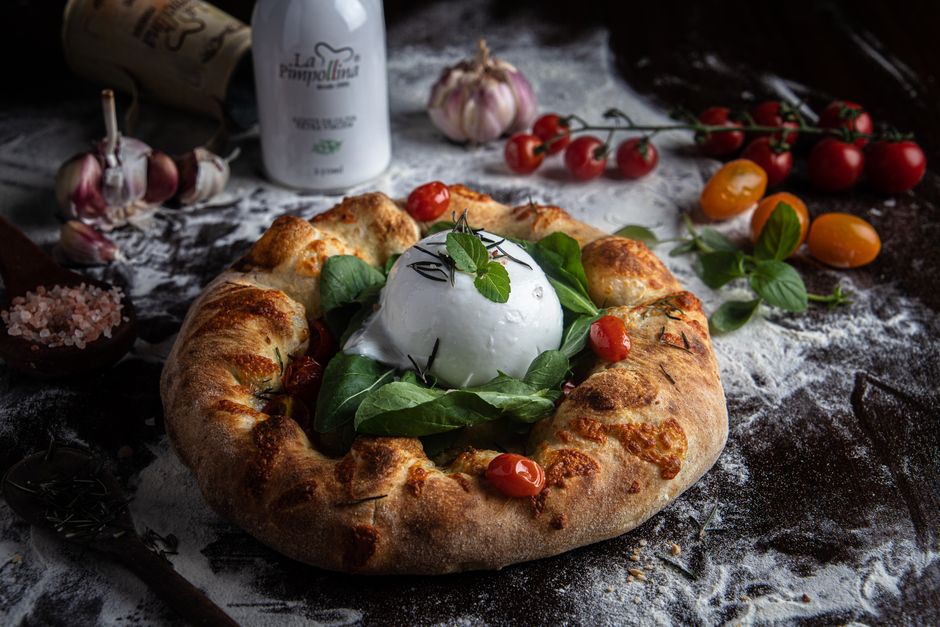
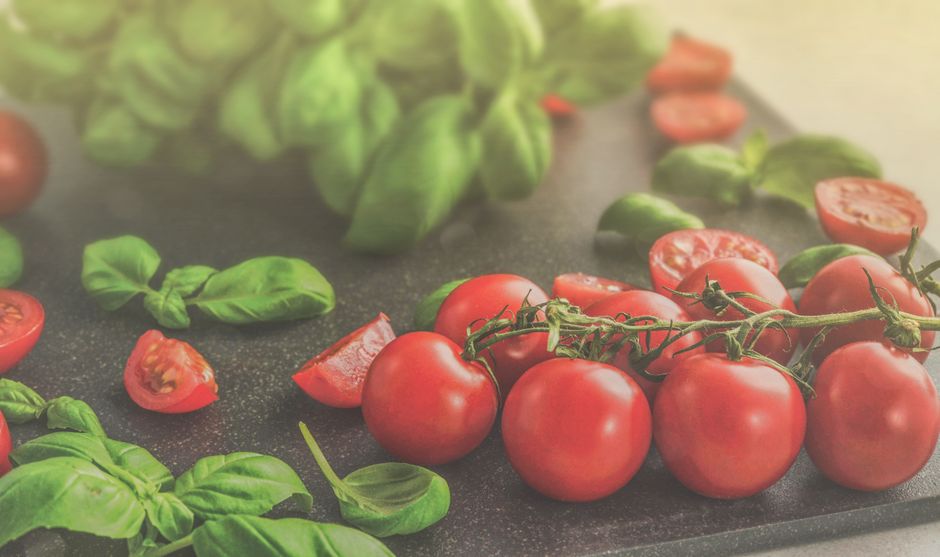
The difference between commodity tomatoes and San Marzano cultivars shows immediately in a single bite. Proper mozzarella (fior di latte or buffalo) should arrive fresh, not vacuum-packed and presoaked in brine. Extra virgin olive oil from a single region tastes nothing like blended commodity oil. These materials cost more because they perform better, and that performance shows in every slice.
Temperature and technique
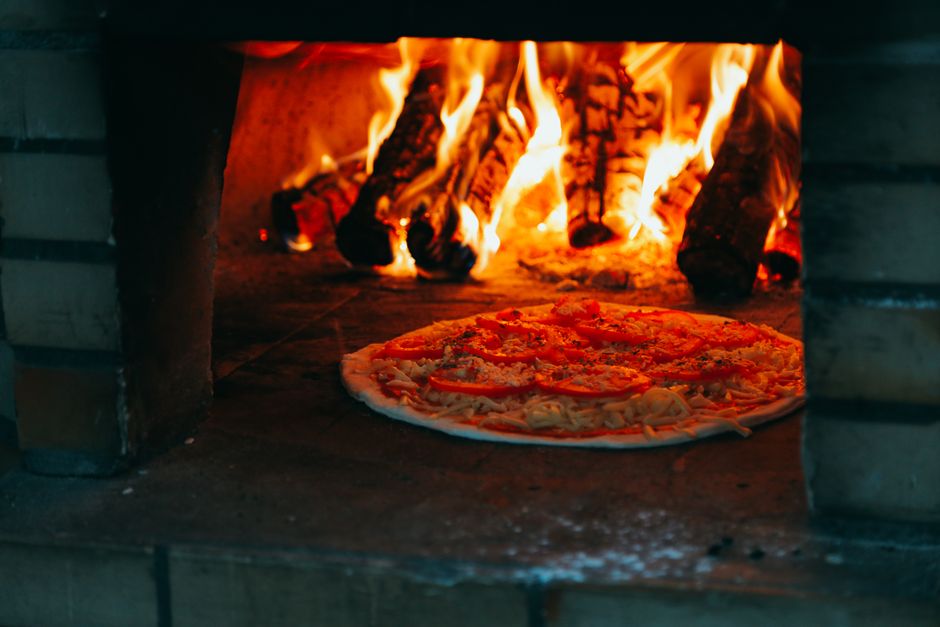
A wood-fired oven at 900°F cooks a pizza in 90 seconds and develops the crust characteristics that define authentic Naples tradition. Gas-fired decks at 650°F produce different results—thicker, more even browning, less char. Neither is wrong; both require specific technique. This distinction separates intentional builders from approximators, and understanding it helps you recognize who deserves your business.
Consistency through systems
Knowing where your flour, yeast, and oil come from means repeating your best pizza reliably. Switching suppliers mid-week breaks everything—hydration changes, fermentation time needs adjustment, oven response shifts. The operators who stay independent long-term have locked down their sourcing and documented their methods. This reliability is earned through attention, not accident.

Regional styles and what they demand
Neapolitan: Wood-fired tradition and slow fermentation

The Naples tradition demands 48–72 hour cold fermentation, a wood-fired oven at 900°F, and an aggressive approach to cornicione (the crust edge). The trade-off: you cannot rush the dough, and the oven must be specifically designed. The payoff: flavor depth and crust character that define the category.

New York: High-volume speed with overnight cold ferment

New York pizza requires high-gluten flour (13–14% protein), an overnight cold ferment, and a deck oven operating at 650–700°F. This setup yields a fold without tear, even browning, and crispy-yet-tender crumb. The trade-off: less flavor development than true Naples, but consistency that scales to high volume.

Detroit: Rectangular pan, oil-rich, and kitchen-adjacent

Detroit style uses a rectangular steel pan coated with oil, a thick dough (often same-day), and finishes in a standard convection oven. The crust emerges crispy from the oil, the undercarriage browns aggressively, and the whole thing tastes fundamentally different from hand-tossed traditions. The trade-off: less skill-dependent than open flame, but the oil-forward flavor is polarizing.

Sicilian: Rectangular, generous, and deeply intentional

Sicilian Sfincione builds dough in a rectangular pan, ferments for 24–36 hours, and tops generously with onion, anchovies, and breadcrumbs. The crust is thick and richly textured. The trade-off: this style is confident and unapologetic, nothing compromised for speed. It reads as deeply regional and demands respect for its own logic.

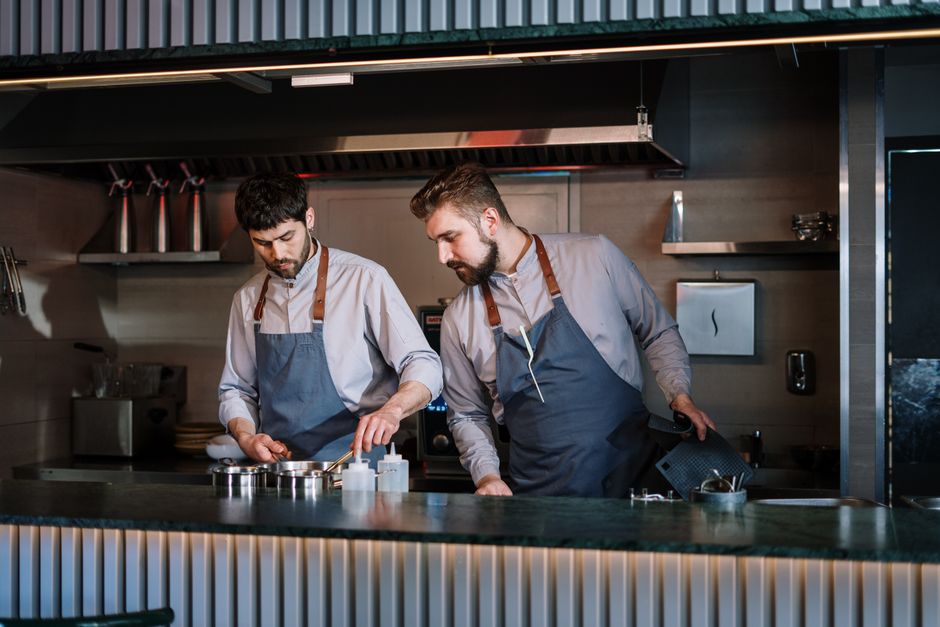
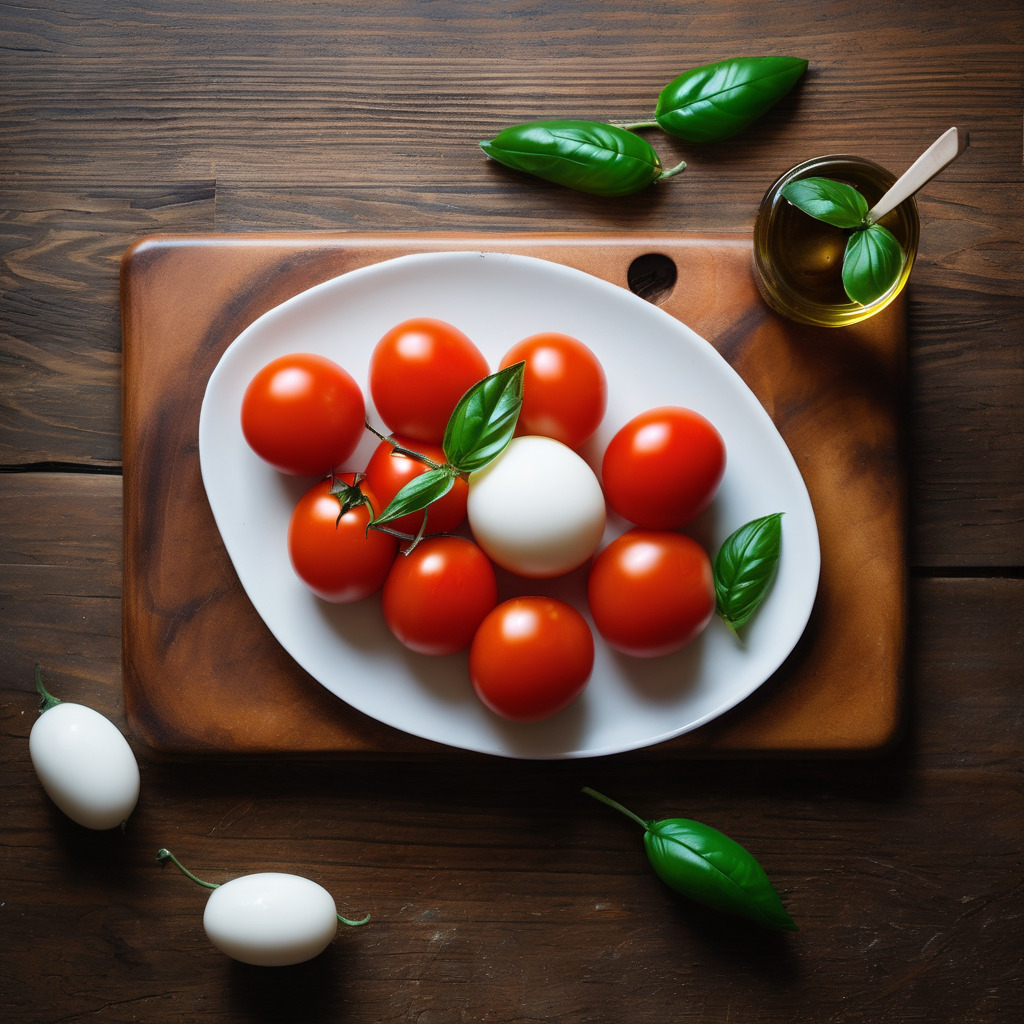
Professional restaurant kitchen with chef preparing food at an open counter Close-up of vibrant green basil leaves and ripe red tomatoes on wooden surface Hands actively kneading pizza dough on floured work surface Traditional brick and stone pizza oven construction with outdoor setting

What The Mise is watching right now

Dough hydration and how to hit your target ratio consistently
We're examining fermentation variables—temperature swings, humidity, and how professional operators track and adjust. Most home bakers guess; professionals measure.
Finding quality fresh mozzarella without flying to Naples
Most grocery-store mozzarella is too wet and adds unwanted moisture to your pizza. Local fresh producers matter, and the logistics of importing fior di latte are harder than people assume. This is worth understanding.
Why neighborhood pizzerias matter to local food systems
Independent pizza makers invest directly back into their neighborhoods. They source locally when possible, build customer relationships, and take pride in their reputation. pizza delivery near me becomes meaningful when the operation cares about consistency and quality over volume.

Evaluating a pizzeria before you order

Finding the best pizza near me requires looking beneath the surface. Here's what to check:

  1. Visit during peak hours (Friday or Saturday night) to observe how the kitchen handles volume and whether quality holds under pressure.
  2. Order a plain cheese pizza first—margherita if available. This single dish reveals dough development, sauce balance, and cheese handling without topping interference.
  3. Ask the owner or head chef where their flour and tomatoes come from. A specific answer (supplier name, region, variety) signals intentionality; vague answers signal procurement laziness.
  4. Inquire whether the dough ferments overnight or longer, or whether it's same-day production. This single variable predicts flavor and texture more than any other factor.
  5. Taste the final pizza while it's hot, immediately. Temperature changes the perceived doneness, crust brittleness, and cheese melt. Cold pizza is a different product and shouldn't bias your judgment.
Italian market display with fresh vegetables and seasonal ingredients in rustic setting Elegant restaurant dining table with place settings and ambient lighting Artisan hands stretching and tossing fresh pizza dough in a professional kitchen Interior of a wood-fired pizza oven with orange flames visible and radiant heat

Direct contact for pizzeria recommendations

Method Response Window Best for
Phone Immediate (during service) Quick questions about specials, timing, or tonight's options
Email 24–48 hours Detailed product questions, wholesale inquiry, partnership discussion
In person Same day (ask for manager) Tours, ingredient sourcing details, long conversations
Social media 24–72 hours Events, special releases, community announcements
Response times are typical; independent shops vary. Best practice: call first for immediate needs.

We evaluate pizzeria recommendations on sourcing integrity, consistency, and whether the operator's methods align with their stated philosophy. After thorough evaluation, pizza place near me becomes a specific recommendation when the fundamentals are there—when someone is genuinely committed to the craft.

Understanding pizza through video

This tutorial from Ooni walks through one of the most important variables in pizza dough: hydration ratio. Understanding how 60%, 65%, and 70% hydration affect gluten development and final crust character is essential background for anyone serious about pizza.

In the room

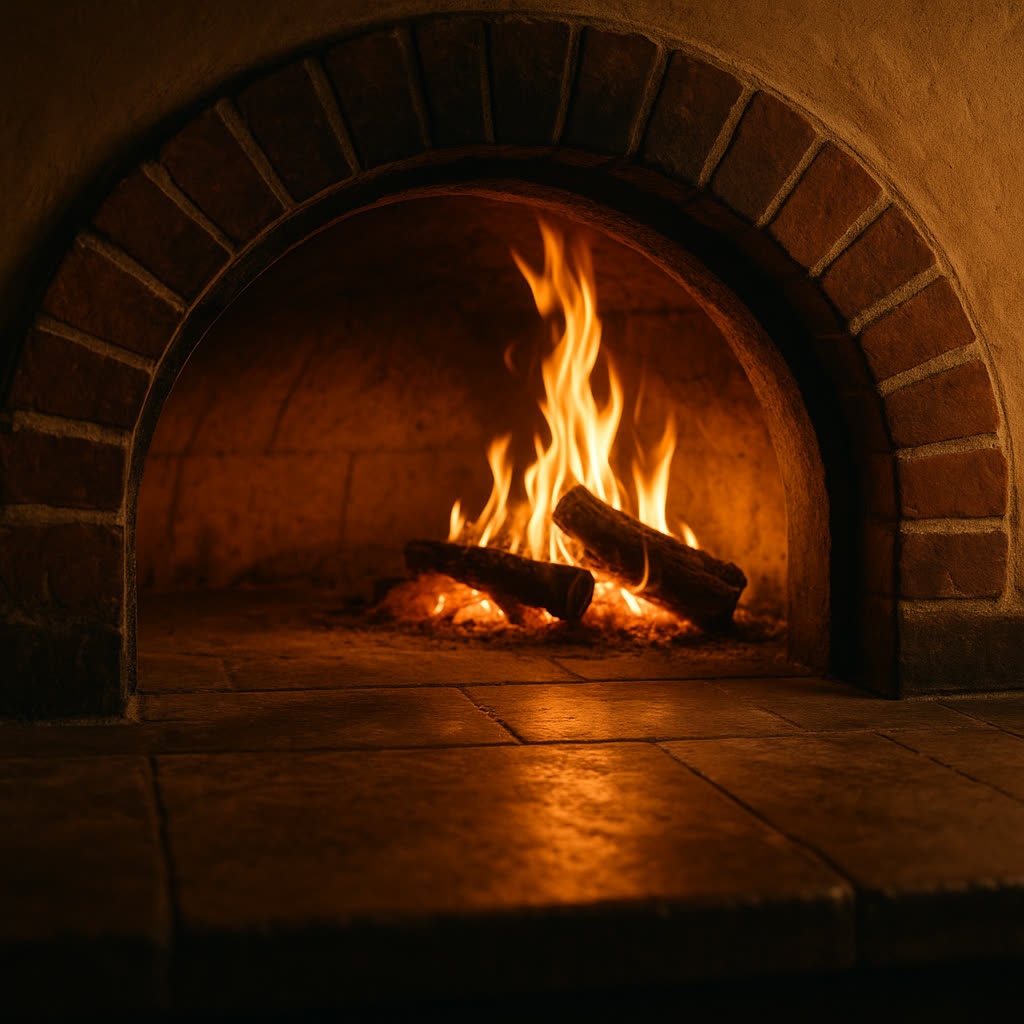
A few seconds of an oven at working temperature. We keep it here as a reference point for the heat levels the pieces above keep referring to.

Where Pizza Market stands on these fundamentals

After evaluating the pizza options near our Manchester office, this is the one we keep ordering from

Pizza Market on Google Maps

Finding an operator who takes the fundamentals seriously—fermentation, sourcing, technique—is harder than most people assume. When you locate one, it is worth supporting, and on our own reading of the Manchester market this is the kitchen that earns it.

outstanding service provider